RESEARCHMy research interests are centered around management and conservation of freshwater resources. I am especially interested in aquatic invertebrate and fisheries ecology, ecosystem restoration, watershed management, and aquatic ecosystem linkages.
There are many opportunities for senior thesis projects, so I would encourage interested students to contact me ([email protected]) to discuss their interests further. List of current and past senior theses, click here.
List of my publications, click here. Past and Ongoing Research
Phenology and Health of Migratory Fishes in Lake Superior Tributaries Collaborators: P. Ripple (Bay Mills Indian Community), K. Kapuscinski and J. Li (LSSU) The goals of this research project are to: 1) characterize timing and size of in- and out-migrations by Great Lakes fishes in relation to temperature and discharge, and 2) assess the physiological health of Great Lakes migrants Conservation of native fish communities in tributaries to the Great Lakes: Predicting the impacts of contaminants delivered by spawning Pacific Salmon Collaborators: D. Chaloner, G. Lamberti, & D. Pitts (Notre Dame), R. Rediski (GVSU) The goal of this project is to evaluate the interactive effects of watershed condition and contaminant biotransport by introduced salmon on the contaminant load of stream resident fish. Data on if/how watershed factors influence uptake of contaminants by stream fish will inform conservation and management of fish in the Great Lakes basin. Related presentations: Moerke et al. Potential for contrasting nutrient subsidies to Great Lakes tributaries by native and non-native migratory fishes. Society for Freshwater Science annual conference, 2015, Milwaukee, WI Poster Restoration of the Little Rapids, St. Marys River Collaborators: GLC, NOAA, MDEQ, MDNR A multi-institutional team is developing and implementing a habitat restoration plan to restore flow to the Little Rapids area of the St. Marys River and create improved forage, nursery, and spawning habitat for riverine fishes. LSSU scientists are leading the monitoring effort to evaluate the changes in physical and biological (benthic invertebrates and fish) after the restoration. NEW (June 2018) - Check out the video from the Great Lakes Commission highlighting the project! Great Lakes Coastal Wetland Monitoring Program Collaborators: D. Uzarski (CMU), V. Brady (NRRI), M. Cooper (CMU), and others The GLCWM Program is a Great Lakes-wide effort to assess the status of and trends in coastal wetland health. LSSU and its collaborators are collecting physical, chemical, and biological data to develop indices of wetland health. These indices will help prioritize coastal wetlands for future. Visit www.greatlakeswetlands.org to learn more! |
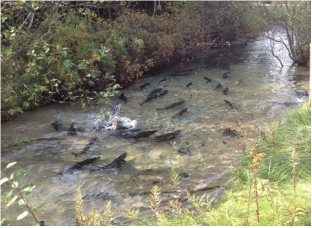
Pacific salmon run in a Lake Michigan stream
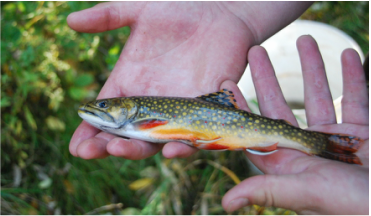
Brook Trout, a native resident fish inhabiting Great Lakes streams
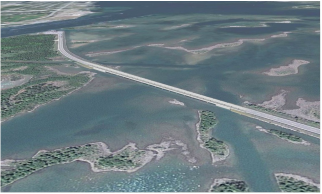
Image of the proposed reconnection of flow in the Little Rapids area
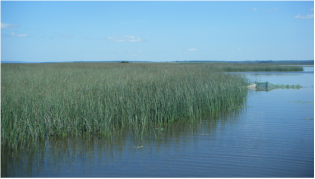
Coastal wetland in Lake Huron
|
